UBS’s CEO stated that investors in artificial intelligence had previously expected the sector to remain in a “perfect” state, right up until the point when it underwent a significant correction.
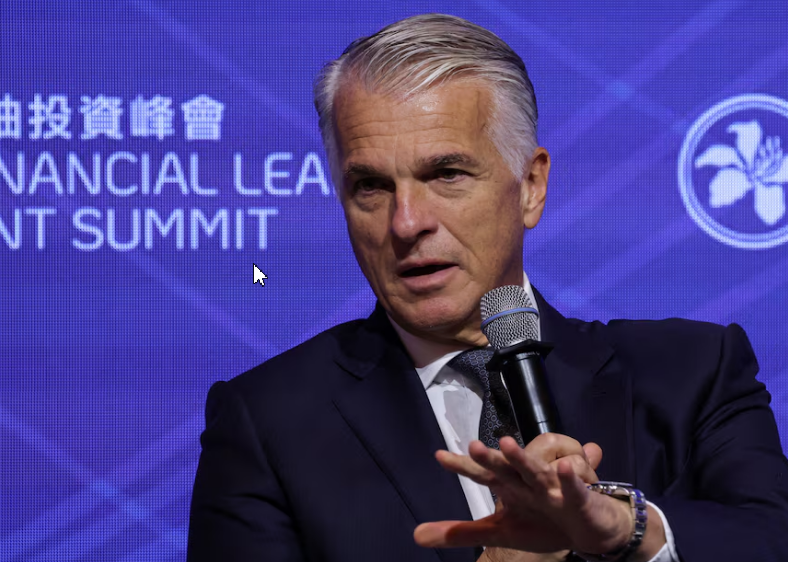
SYDNEY, Nov 9 (Reuters) – UBS CEO Sergio Ermotti said on Monday that the sharp pullback in artificial intelligence (AI) stocks over the past few weeks is a reaction to investors’ overly high expectations for the sector.
Speaking at a UBS conference in Sydney, Ermotti noted that the recent U.S. midterm election results, combined with the global debate surrounding the impact of infrastructure development, could lead to delays in the AI industry’s delivery of results.
“And until recently—though we have certainly seen some adjustments over the past few weeks—the market had been pricing in perfection.”
Ermotti stated that while he is optimistic that the development of artificial intelligence will yield positive economic outcomes, he personally believes that “the speed at which we will reach that point has been somewhat overstated.”
Last week, global stock markets saw trillions of dollars in value wiped out amid concerns that a Democratic victory in the upcoming election could lead to stricter regulation of the AI industry in the United States—though Wall Street staged a partial rebound on Friday.
Ermotti added that UBS’s own efforts to integrate artificial intelligence into certain operational areas have “slowed down” due to the integration of Credit Suisse. UBS agreed to acquire Credit Suisse as part of a government-brokered rescue deal in 2023.
The collapse of Credit Suisse has also subjected UBS to stricter regulation in Switzerland; the Zurich-based bank is currently evaluating the long-term impact that proposed new capital requirements might have on its competitiveness within the country.
On Monday, he described Switzerland’s response to the situation as “highly emotional” and “idiosyncratic,” contrasting it with the approaches taken by authorities in the United States and Europe—who, he noted, have come to recognize the unintended consequences of over-regulation.