Semiconductor Giant Considers Texas Expansion Amid Booming Demand for AI Hardware
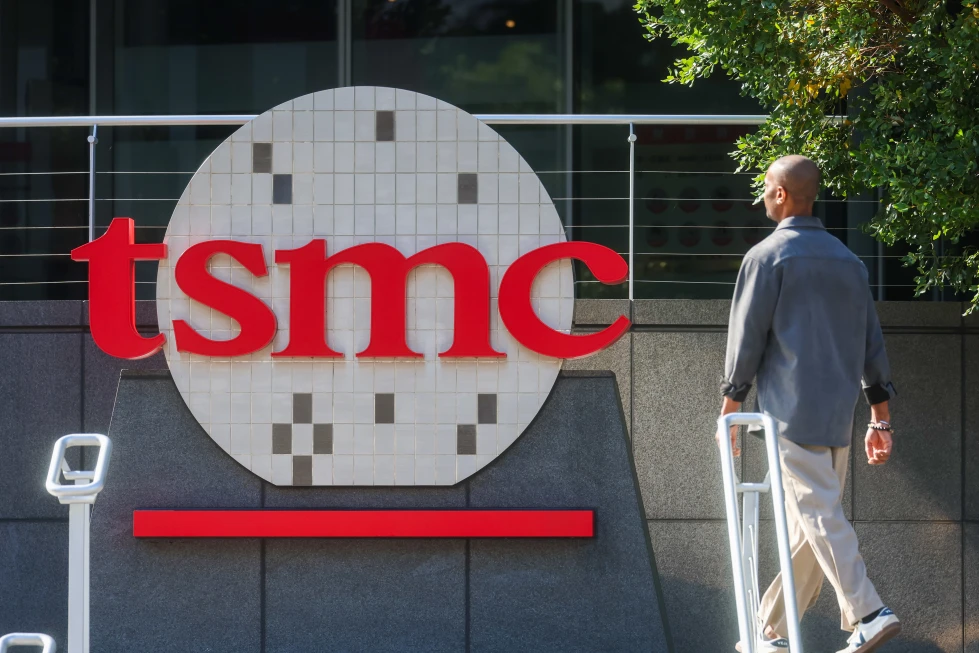
The global AI hardware boom shows no signs of slowing down. The world’s leading manufacturer of advanced semiconductors has revealed it is evaluating potential investment opportunities in Texas to further broaden its U.S. manufacturing footprint, coming on the heels of another quarter of record-breaking financial performance.
During a recent earnings call, company leadership confirmed that discussions are underway regarding potential involvement in a massive “Terafab” facility planned in Texas, alongside high-profile tech entrepreneur Elon Musk.
As the primary producer of over 90% of the world’s most advanced microchips, the company serves as a vital supplier to major tech giants—including Nvidia and Apple—making its financial health a direct barometer for the broader AI sector.
Record Financial Results Driven by Unprecedented Demand
The chipmaker’s latest quarterly figures exceeded market expectations across the board, underscoring the relentless push for AI processing power:
- Net Profit: Reached a record NT$763.1 billion (approx. $24 billion), marking a 69% year-over-year increase.
- Quarterly Revenue: Rose to NT$1.49 trillion (approx. $46 billion), up 51% year-over-year.
- Capital Expenditure Boost: The annual CapEx budget for this year has been raised to $60B–$64B (up from earlier projections of $52B–$56B), with leadership signaling that capital spending from 2026 through 2028 will significantly surpass the previous three-year period.
Company CEO C.C. Wei noted that demand for AI chips continues to severely outpace available production capacity, prompting the firm to aggressively evaluate site expansions beyond its existing $265 billion commitment in Arizona (which includes a massive $100 billion expansion announced in July).
The Texas “Terafab” Negotiations: Who Will Operate What?
While interest in Texas is official, the exact operating model for the proposed project remains a point of active discussion:
The Operational Condition: Company executives emphasized during the call that any chipmaking facility in Texas involving their involvement would need to be operated under their direct management. Conversely, early public statements from partners suggest a model where the facility is built and operated independently, with the chipmaker potentially leasing only a designated portion of the site.
A specialized team has already been dispatched to Texas to perform a comprehensive site assessment while multi-party negotiations continue.
Broader Market Outlook and Macro Factors
Despite stellar performance in AI-driven segments, leadership urged a degree of long-term caution regarding consumer-facing tech:
- Consumer Sector Headwinds: Price-sensitive markets and end-consumer products are experiencing pressures from rising component costs and macroeconomic uncertainties.
- Prudent Planning: While AI growth remains explosive, the semiconductor leader is maintaining a measured approach as it drafts strategic business targets through 2027.
💬 What Are Your Thoughts?
Do you think expanding advanced semiconductor manufacturing into Texas will successfully relieve global AI supply bottlenecks? How do you see the dynamic playing out between established chipmakers and mega-factory developers?